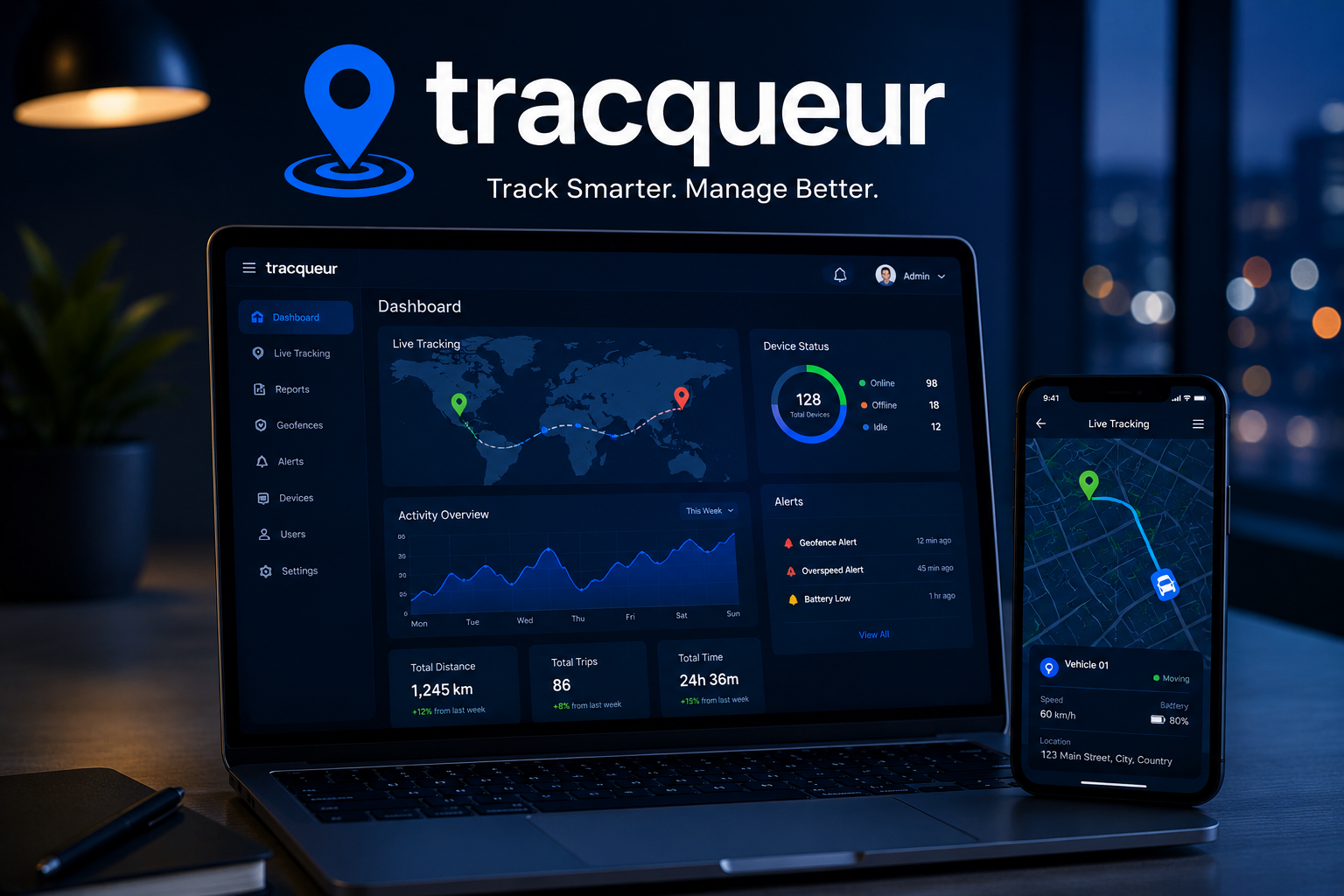
Tracqueur is a tracking and search concept that helps you locate information, files, or activity data with less manual effort. In practice, the term is used for software that scans folders for duplicates, apps that track movement, and tracking systems that monitor assets or behavior. That mix matters because people often search the word expecting one thing and find another. This guide gives you the clearest version of Tracqueur and shows where it fits in real use.
What Is Tracqueur and How Does It Work?
Tracqueur usually refers to a tool that tracks, scans, or identifies information that would otherwise take time to find. One version is a Windows duplicate-file finder that checks names, dates, extensions, and file contents across folders and subfolders. Another version appears in GPS or activity tracking apps that record location or movement data.
The basic idea is simple. Tracqueur compares data against known patterns, then highlights matches, missing items, or movement records. For example, a duplicate-file Tracqueur can find three copies of the same 40 MB video in different folders, while a GPS version can log a route without constant manual input.
That is why the term can feel confusing at first. Once you see the use case, the next step is figuring out which version you actually need.
Why Tracqueur Means Different Things
The biggest source of confusion is that Tracqueur is not one single product. In French, it can point to tracking software, a GPS tracker, or a file-scanning utility, depending on the site and context. That means the word alone does not tell you whether you are dealing with storage cleanup, mobile tracking, or asset monitoring.
Think about a business owner and a smartphone user. One might want Tracqueur to clear duplicate documents before a monthly backup, while the other wants activity tracking for a delivery route. Those are totally different jobs, even though the keyword looks the same.
Here is something most people miss: search results often mix software, app listings, and guides in one page of results. That is why the surrounding words matter so much when you type Tracqueur into Google.
Tracqueur Files Versus GPS Tracking
A file-based Tracqueur is built for cleanup. It scans folders, compares content, and helps you remove duplicates that waste space on a laptop or backup drive. This is useful when a 256 GB SSD is nearly full because of repeated photos, installers, or copied PDFs.
A GPS-style Tracqueur is built for location or activity monitoring. It can be used in mobile tracking, route logging, or device monitoring, and some guides focus on setup, privacy, and legal concerns. That makes it closer to a monitoring tool than a storage utility.
The practical difference is easy to see. If your problem is a cluttered hard drive, you want the file version. If your problem is knowing where something moved, the GPS version is the one that matters.
How People Actually Use Tracqueur
People usually use Tracqueur in one of three real situations. They clean duplicate files before a backup, track a phone or activity route, or monitor an asset during transport. Each use case depends on a different setup and different data source.
A home user might scan a photo folder after importing images from two phones. A small logistics team might use tracking software to check whether a package moved during the expected window. A commuter might use a mobile activity app to record a daily walk without opening it every minute.
The key is to start with the outcome you want. If you are not clear on that, Tracqueur can feel broad and hard to judge.
Is Tracqueur Free or Paid?
Some Tracqueur tools are free, especially file utilities on Windows. One listing describes Traqueur as a free duplicate-file program developed by Eric Quillévéré. That makes it attractive for people who want a quick cleanup tool without subscription fees.
Tracking apps and GPS tools are less predictable. Some mobile apps are free to download, while others rely on paid plans, bundled hardware, or feature limits. A free app may show basic activity data, but advanced tracking often sits behind device or service costs.
The smart move is to check whether you are paying for software, hardware, or both. A $0 app can still require a paid tracker device, and that changes the real cost fast.
What Tracqueur Checks Behind The Scenes
File-focused Tracqueur tools often compare several signals at once. One Windows version checks name, creation date, extension, and file content when looking for duplicates. That gives you more confidence than a simple filename match.
Tracking-focused versions work differently. They may rely on GPS data, device logs, or other location signals to build a movement record. In practice, that means the tool is collecting small updates and turning them into a route, a timeline, or an alert.
Here is a simple example. Two files named “report.pdf” can still be different, while two location points 10 minutes apart can show whether a courier stopped or kept moving. That difference is why Tracqueur is useful in both cleanup and monitoring.
Tracqueur Setup That Saves Time
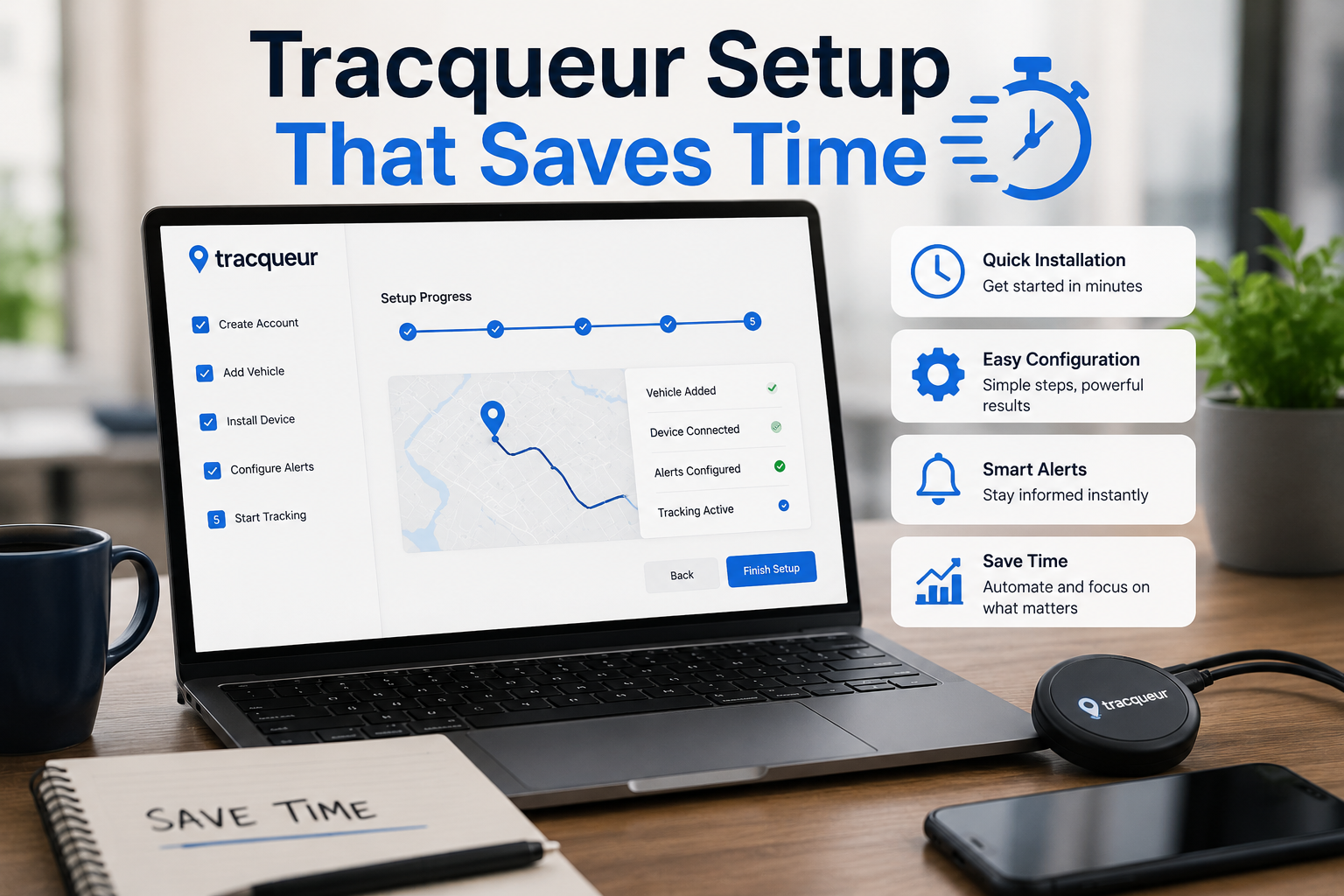
Setup matters more than most people expect. For duplicate-file tools, the win comes from choosing the right folders first, then scanning only what you actually want to clean. If you point it at an entire drive too early, you may spend time sorting files you never meant to touch.
For GPS or activity tools, setup usually starts with charging the device, granting location access, and confirming that the app can record data properly. A common mistake is skipping permissions on a phone and assuming the app is broken.
The easiest way to avoid frustration is to test with one small folder or one short route first. That way, you can confirm Tracqueur is reading the right data before you rely on it for something larger.
Tracqueur Privacy Risks You Should Know
Privacy is one of the biggest reasons people hesitate. A tracking tool can reveal where someone has been, when a device moved, or what files exist on a computer. That is useful for security, but it can also create problems if the tool is used without clear permission.
This is why the context matters so much. A duplicate-file scanner is usually low-risk, while a location tracker can touch sensitive personal data. The more detailed the tracking, the more important it becomes to understand access, storage, and sharing.
A practical example helps here. If you install a mobile tracker on a shared family phone, everyone should know what is being recorded. That transparency is the difference between useful tracking and a trust problem.
How Tracqueur Compares With Similar Tools
Tracqueur sits near a few different tool categories, but it does not always behave like them. A duplicate-file Tracqueur is closer to disk-cleaning software than to a search engine. A GPS Tracqueur is closer to an activity logger than to a maps app.
That distinction matters when you compare options. If you want faster storage cleanup, a file scanner may beat a full file manager. If you want live movement history, a dedicated tracker will usually be better than a general fitness app.
The right comparison is about the job, not the name. Once you match Tracqueur to the problem, the other tools on your shortlist become much easier to judge.
Who Gets The Most Value From Tracqueur?
Tracqueur is most useful for people with repeatable, trackable problems. That includes laptop users with duplicate photos, teams managing asset movement, and people who want activity logs without manual notes. It is especially helpful when the same task happens every week.
A freelance photographer, for example, may end up with the same image in three folders after importing cards from a wedding shoot. A Tracqueur-style duplicate scanner can find those copies fast and save storage space. A delivery manager, on the other hand, may care more about route history and timing.
The best fit is usually obvious once you name the problem clearly. If the problem is finding duplicates or tracing movement, Tracqueur starts to make real sense.
What Tracqueur Is Best Used For
Tracqueur works best when you need tracking, scanning, or identification without doing the work manually. That could mean cleaning a disk, following a route, or confirming where an asset went. It is not one universal product, and that is exactly why understanding the context matters.
The easiest way to think about Tracqueur is this: it helps you spot patterns faster than you could by hand. A folder with 30,000 files or a route with dozens of location points is exactly the kind of problem it can simplify. Once you know that, you can choose the right version with confidence.
Conclusion
Tracqueur matters because it can mean either a file-cleanup tool or a tracking system, and the right meaning depends on your use case. Once you know which Tracqueur you need, the rest becomes much easier, because you can focus on the exact job instead of guessing between unrelated tools. Tracqueur is most useful when you want faster answers from data you already have, whether that means removing duplicate files, checking movement, or keeping a record of activity. In simple terms, it saves time by turning messy information into something you can actually use.
FAQs
Is Tracqueur a file cleaner or a tracking app?
Tracqueur can mean either one, depending on the context. Some versions scan Windows folders for duplicate files, while others track activity or GPS movement. The fastest way to tell is to look at the surrounding words, such as “duplicate files,” “GPS,” or “mobile tracking.”
How does Tracqueur find duplicate files?
A file-based Tracqueur compares details like file name, creation date, extension, and content. That helps it find duplicates even when copies have slightly different names. For example, “photo1.jpg” and “copy of photo1.jpg” can still be flagged as the same image.
Can Tracqueur track a phone’s location?
Some Tracqueur tools are built for mobile activity or GPS tracking. These tools usually need location permissions and may rely on a connected device or app setup. That makes them useful for route logging, but also sensitive from a privacy standpoint.
Is Tracqueur free to use?
Some Tracqueur software is free, especially file-cleanup tools for Windows. GPS and activity versions may be free to download but still depend on paid hardware or service plans. Always check what is included before you install it.
What is Tracqueur used for in real life?
In real life, Tracqueur is used for cleaning duplicate files, tracking routes, and monitoring assets. A photographer might use it to remove repeated files after an import. A logistics team might use it to confirm where a device moved during the day.
Does Tracqueur need internet access?
That depends on the version. A duplicate-file tool can work locally on your computer, while a tracking app may need internet for syncing or sharing data. If live updates matter, internet access is often part of the setup.
Is Tracqueur safe to install?
Tracqueur can be safe when you install the right version from a trustworthy source and understand its permissions. The bigger risk usually comes from tracking tools that collect location or device data. A local file scanner is usually far less sensitive than a GPS tracker.
How do I know which Tracqueur version I need?
Start with the problem you want to solve. If you need to free disk space, choose the file-scanning Tracqueur. If you need movement history or location logging, choose the GPS or activity version. The name is the same, but the job is not.
About the Author