Buutman is a name circulating across art, gaming, and meme communities online, and this guide breaks down what it actually is for anyone who just saw it and wants a straight answer. No single platform, founder, or company claims it, which is the first thing that confuses new readers. Unlike a celebrity or a registered brand, Buutman behaves more like a shared online identity that different communities shape in their own way. There is no verified net worth, no confirmed real name, and no official account tied to it.
What Buutman Actually Is, Not What It Seems
Buutman is not a person, a company, or a registered character with one fixed backstory. It functions as an open online label something people borrow, draw, or joke about rather than something one entity owns. That openness is the entire reason it spreads.
Compare this to how a TikTok sound or a Reddit copypasta works. No single account controls it once it catches on. The same mechanism applies here: anyone on DeviantArt, X, or YouTube can use the name without permission or a unified script.
Is Buutman a Real Person?
No public record, registry, or verified account confirms Buutman as one real individual. Searches turn up scattered posts and fan art using the name, not a biography. That absence is the actual story, not a gap to apologize for.
This pattern matches other “mystery” internet names that later turned out to be collective in-jokes rather than hidden celebrities. Treating Buutman as unsolved, rather than forcing a fake answer, is the more accurate read.
Why “Mysterious” Doesn’t Mean “Fake”
A name having no confirmed owner doesn’t mean nothing real is happening with it. Wikipedia-documented phenomena like Slender Man started the same way: a forum post with no single author, picked up by artists and video creators. This name shows early signs of that same diffuse, crowd-built pattern.
You May Also Read: badak178yax.online -pakai: Exploring the Purpose, Features, and Online Presence of the Platform
How Nameless Internet Identities Like Buutman Actually Spread
Names like Buutman gain traction through repetition across small, separate communities before any single platform’s algorithm notices them. A drawing on DeviantArt, a clip on YouTube, and a one-line joke on X can all reference the same word without any of those creators knowing about the others.
That’s a different growth pattern than a managed brand launch. There’s no press release, no verified account posting a origin story, and no marketing budget pushing visibility on day one.
What Role Does DeviantArt Play in Names Like This?
DeviantArt has a long history of incubating fan-made characters and shared art prompts that later spread to bigger platforms Slender Man and Creepypasta-era characters are documented examples of this exact pipeline. Names like Buutman that show up in DeviantArt tags often follow that same incubation path.
Artists there don’t need permission to draw a shared concept. Multiple, unrelated interpretations of the same name is normal on the platform, not a sign that something’s “off” about this case specifically.
Why Gaming Communities Adopt Names Like This Fast
Gaming Discord servers and clip-sharing channels reuse inside jokes constantly, since a short, odd-sounding name is easy to drop into a chat or caption without explanation. Names that are two syllables and slightly absurd similar to how “Skibidi” or “Gegagedigedagedago” spread through gaming-adjacent meme culture travel faster than long, descriptive phrases.
Here’s the actual mechanism: a name with zero fixed meaning is a blank space users fill in themselves, and filling in blanks is what makes a meme feel personal rather than corporate. That lack of an official definition is a feature of why it spreads, not a flaw in the reporting about it.
Buutman in Practice: Where the Name Actually Shows Up
In practice, the name surfaces in three recurring contexts: fan art posts, short-form gaming clips, and one-line jokes on X (formerly Twitter). None of these contexts requires the others to exist, which is why pinning down “the real Buutman” produces three different, equally valid answers depending on which community someone asks.
This is the part most short explainer articles skip entirely: they treat the mystery as a void to fill with vague guesses, instead of naming the actual mechanism distributed, permission-less reuse that explains it. That mechanism is the real story, not a missing biography.
Does Buutman Have an Official Account?
No single account across YouTube, X, Instagram, or DeviantArt is verified as the original or official Buutman source as of this writing. Several accounts may use the name in different unrelated ways. Treat any account claiming to be “the real Buutman” with skepticism until it’s independently confirmed.
Is There a Risk in Searching for Buutman Content?
Searching a trending, undefined name like this carries the same general risk as searching any trending term: low-quality sites sometimes create fake “explainer” pages or clickbait around it to capture search traffic. Stick to platforms you already trust DeviantArt, YouTube, X rather than unfamiliar sites promising a definitive answer.
You May Also Read: Cibrius: The Brazilian Pension Institution Helping Secure a Stronger Financial Future
The Biggest Mistake People Make Reading About Buutman
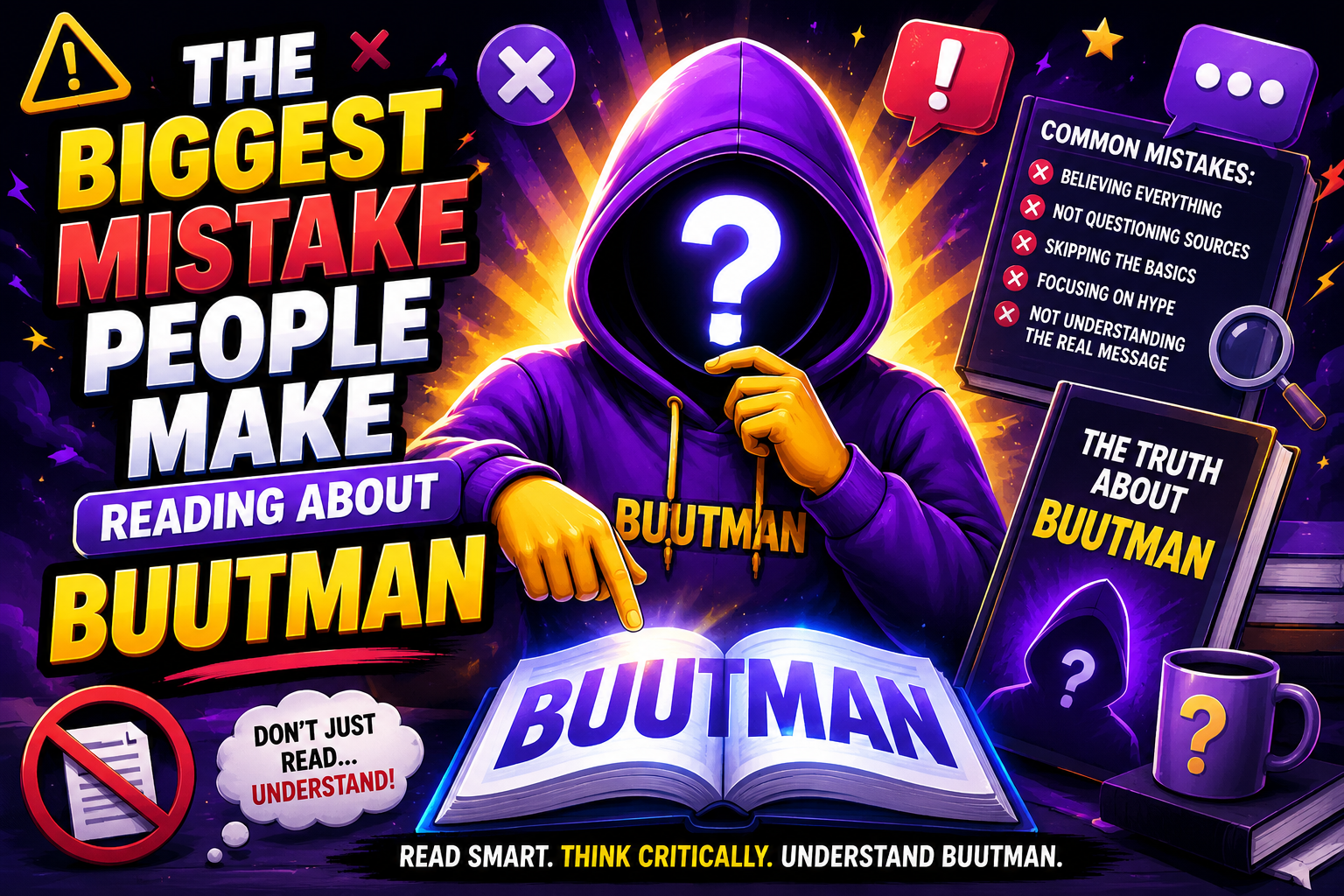
The most common error is assuming a confident-sounding article means someone verified the facts. Several existing explainer pages describe Buutman in hedged language “some people see it as,” “it has been linked with” while still implying authority, which misleads readers into thinking more is confirmed than actually is.
In practice, what this actually means for a reader: when an article about an obscure internet name uses constant qualifiers without a single named source, account, or date, that’s a signal to treat every claim as unverified, not as established background. That’s not a flaw unique to one site it’s standard for early-stage internet folklore, where the honest answer is “unconfirmed,” not a confident origin story.
A second mistake is assuming mystery equals manufactured hype. Plenty of genuinely organic internet names including well-documented ones like Slender Man in its early days spent months with zero clear origin before anyone traced their actual roots, and some never got fully traced at all.
What Comes Next for the Buutman Name
If Buutman keeps spreading the way it has, the most likely path is continued, scattered use across DeviantArt, gaming clips, and X posts rather than a single breakout moment. Names without a central owner rarely consolidate into one brand unless a specific creator steps forward to claim and formalize it.
That consolidation is possible but not guaranteed. Plenty of similarly diffuse internet names fan-made memes and shared characters alike stayed as background internet culture indefinitely instead of becoming products, merchandise lines, or franchises.
Could Someone Turn Buutman Into a Brand?
Trademarking and commercializing a name with no single confirmed originator is legally murky, since multiple unrelated creators could each have a claim. Anyone attempting to “own” it now would likely face pushback from communities who already used it freely.
Should You Use the Name Buutman Yourself?
Using it in your own art, captions, or clips carries no special legal risk right now, since no confirmed trademark or copyright claim exists. That could change if a confirmed owner later emerges and formalizes rights, so it’s worth checking back if you plan commercial use.
You May Also Read: kristenarchives.com: The Ultimate Online Archive of Timeless Story Collections
What Buutman Reveals About How Online Identity Works Now
Buutman is a small example of a larger shift: audiences increasingly engage with names, formats, and bits rather than with people. A faceless meme can now hold attention the way a creator with a name and face used to, because platforms reward shareability over biography.
For readers tracking this shift, looking at how distributed meme characters spread compares directly to figuring out a creator’s actual identity the verification methods are completely different, and conflating the two is where most explainer content about names like this goes wrong.
That distinction matters because it changes what question is even answerable. “Who is Buutman” assumes a person to find. “How did it spread” assumes a pattern to trace and that pattern is the one with an actual, checkable answer.
Conclusion
Buutman is an unofficial, community-driven internet name with no confirmed creator, company, or single point of origin across DeviantArt, YouTube, or X. The most useful thing to take from this isn’t a hidden biography it’s that the spread pattern itself, not a secret founder, is the real explanation. Treating Buutman as confirmed folklore rather than a solved mystery is the practically correct way to read every claim about it. If you encounter the name again, check which specific community is using it before assuming any single definition applies.
Frequently Asked Questions
Is Buutman a real person or a fictional character?
Neither is confirmed. No public record verifies Buutman as a real individual, and no single creator has claimed it as an original character. It currently functions as an open, community-used name across art and meme platforms.
Where did the Buutman name originally come from?
There’s no confirmed origin point. Early use appears scattered across DeviantArt-style art communities and gaming-adjacent posts, similar to how other unverified internet names spread before anyone traced a clear first instance.
Why do people keep searching for what Buutman means?
Unexplained, frequently-shared names trigger curiosity, especially when search results give vague or contradictory answers. Buutman’s lack of one official definition is exactly what keeps people checking for an updated, more concrete explanation.
Is it safe to click sites that claim to explain Buutman fully?
Be cautious with unfamiliar sites making confident claims about an unverified topic, since that’s a known pattern for low-quality clickbait pages. Stick to platforms you already recognize, like YouTube or X, over unknown explainer sites.
Will Buutman become an official brand or product?
It’s possible but unconfirmed, since no single owner currently has a clear claim to formalize it. Names without one confirmed creator usually stay as informal internet culture rather than becoming commercial products.
About this article: Written to reflect publicly observable usage patterns of the Buutman name across art and social platforms as of June 2026, with no claims beyond what is independently verifiable. Last reviewed: June 2026.
About the Author